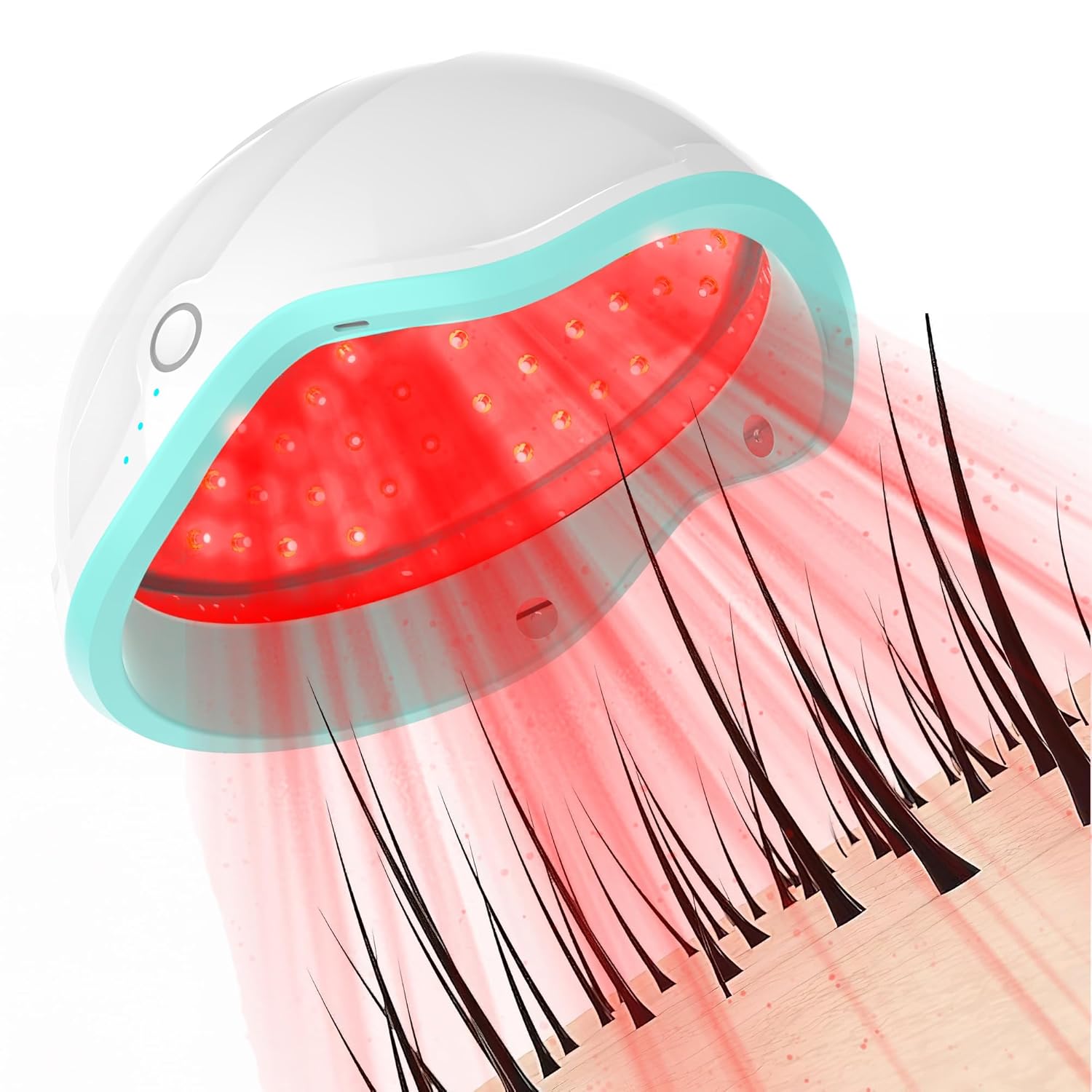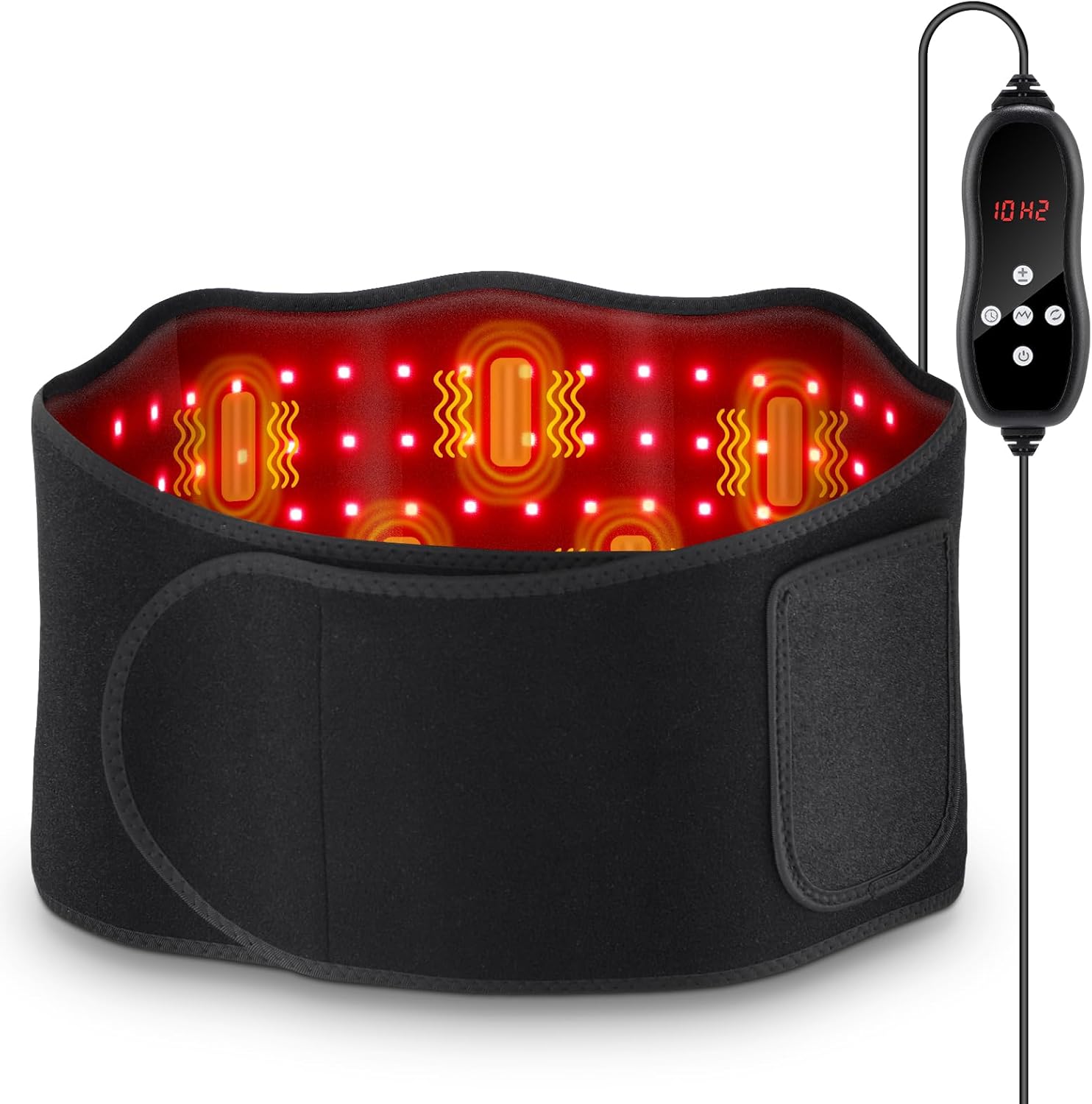
Wearable red light therapy devices are designed for targeted treatment — delivering therapeutic light directly to a specific joint or muscle group while you go about your day. Unlike mats or panels that require you to lie still, wearables are flexible, adjustable and hands-free.
Who are wearables for
Wearable red light therapy devices are ideal for people with chronic joint pain in specific areas like knees, shoulders or ankles, athletes recovering from localized injuries, people who want to combine red light therapy with daily activity, and anyone who finds full-body sessions impractical.
How we evaluated wearable devices
Target area fit — does the device conform properly to the body part it is designed for. A knee wrap that slips during use is useless.
LED placement — LEDs must make direct contact with the skin to be effective. Devices with poor LED distribution score lower.
Wavelength — same standard as all red light devices: 630–670nm red and 810–850nm near-infrared for best results.
Comfort and adjustability — wearables need to stay in place during sessions without causing discomfort.
A note on protective glasses
Red light therapy protective glasses are not a therapy device — they are safety equipment. Any red light therapy session involving devices near the face or eyes should be done with certified protective glasses. We include them here because they are an essential accessory for safe wearable use.
⭐ Our Top Pick
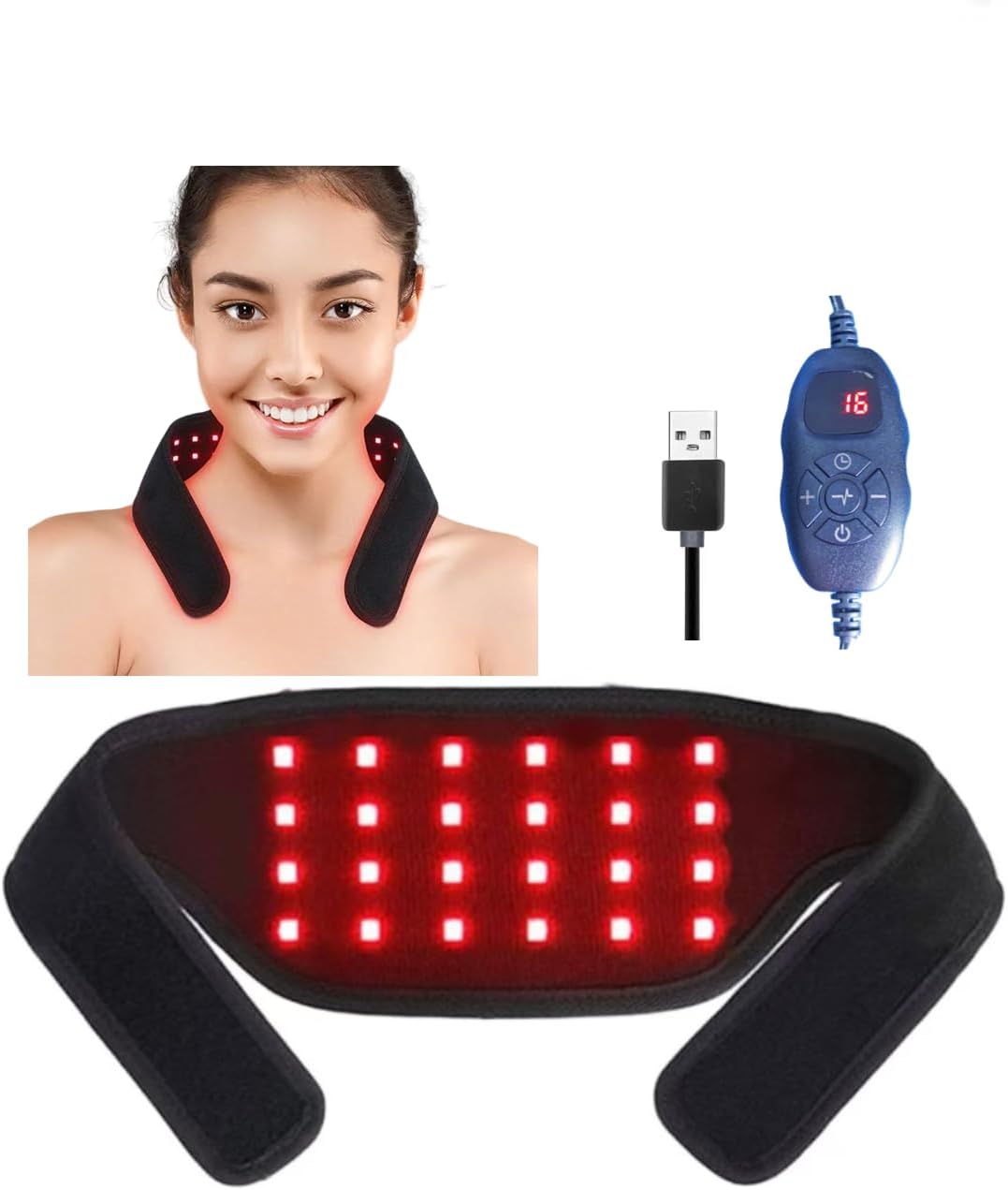
Wearable Red Light Therapy Belt for Neck, Hands and Ankles
A versatile wearable red light therapy belt designed to target multiple body parts — neck, hands and ankles. Flexible and adjustable design ensures ...
Versatile — works on neck, hands and ankles
Flexible and adjustable fit
Hands-free use during sessions
~$40.79
Check price on OmyGuard