GPS trackers for pets have improved dramatically in recent years. Real-time tracking, health monitoring, virtual fences and global coverage are now available at prices that make them accessible for most pet owners.
What to look for in a pet GPS tracker
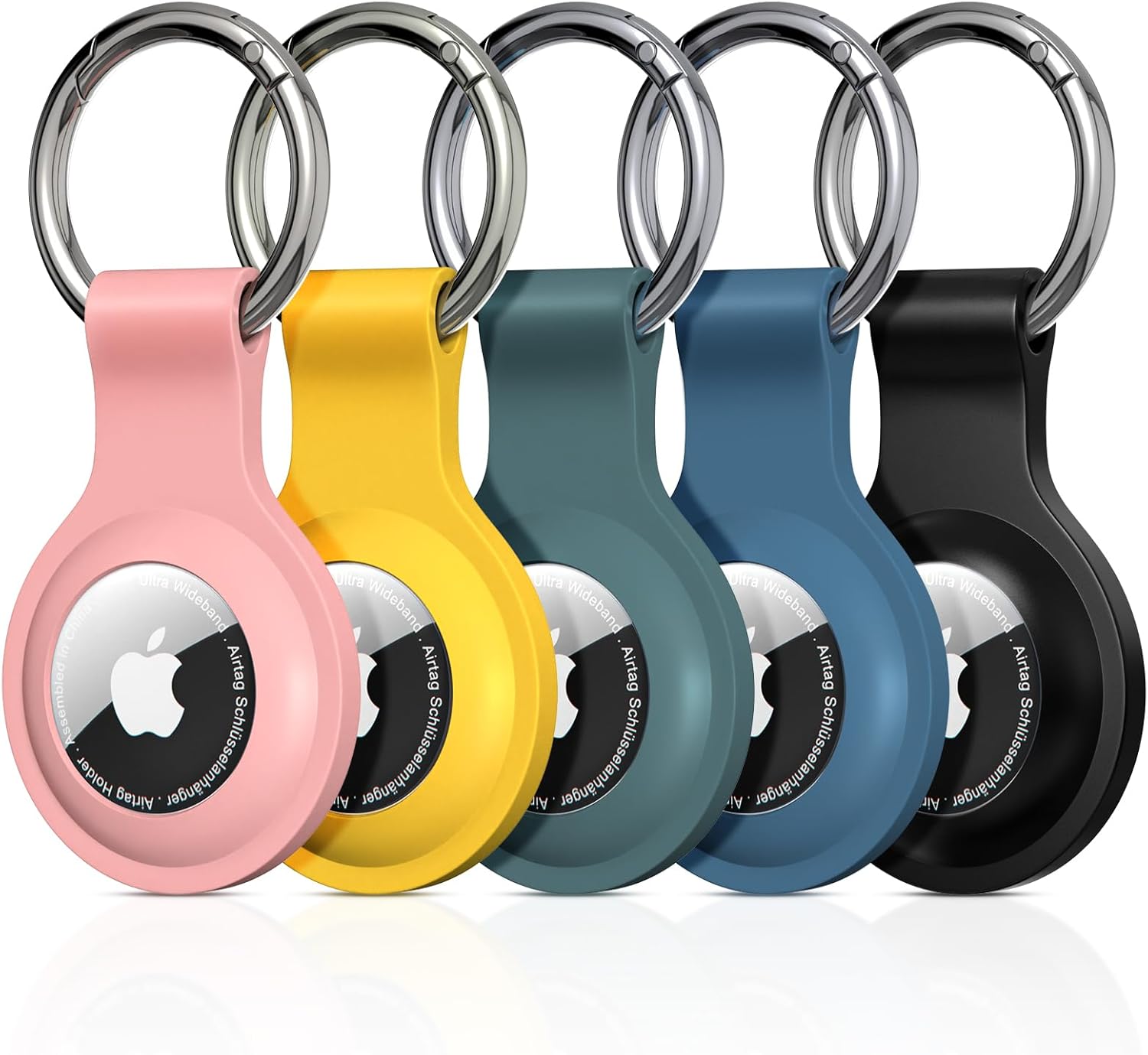
Tracking technology — GPS plus cellular is the gold standard. It provides real-time location updates anywhere with mobile coverage. Bluetooth-only trackers like AirTag work well in urban areas but are unreliable in parks, fields or rural zones where iPhone density is low.
Update frequency — the best trackers update location every 2-3 seconds. Slower update intervals (1 minute or more) mean a fast dog can travel significant distance before the app catches up.
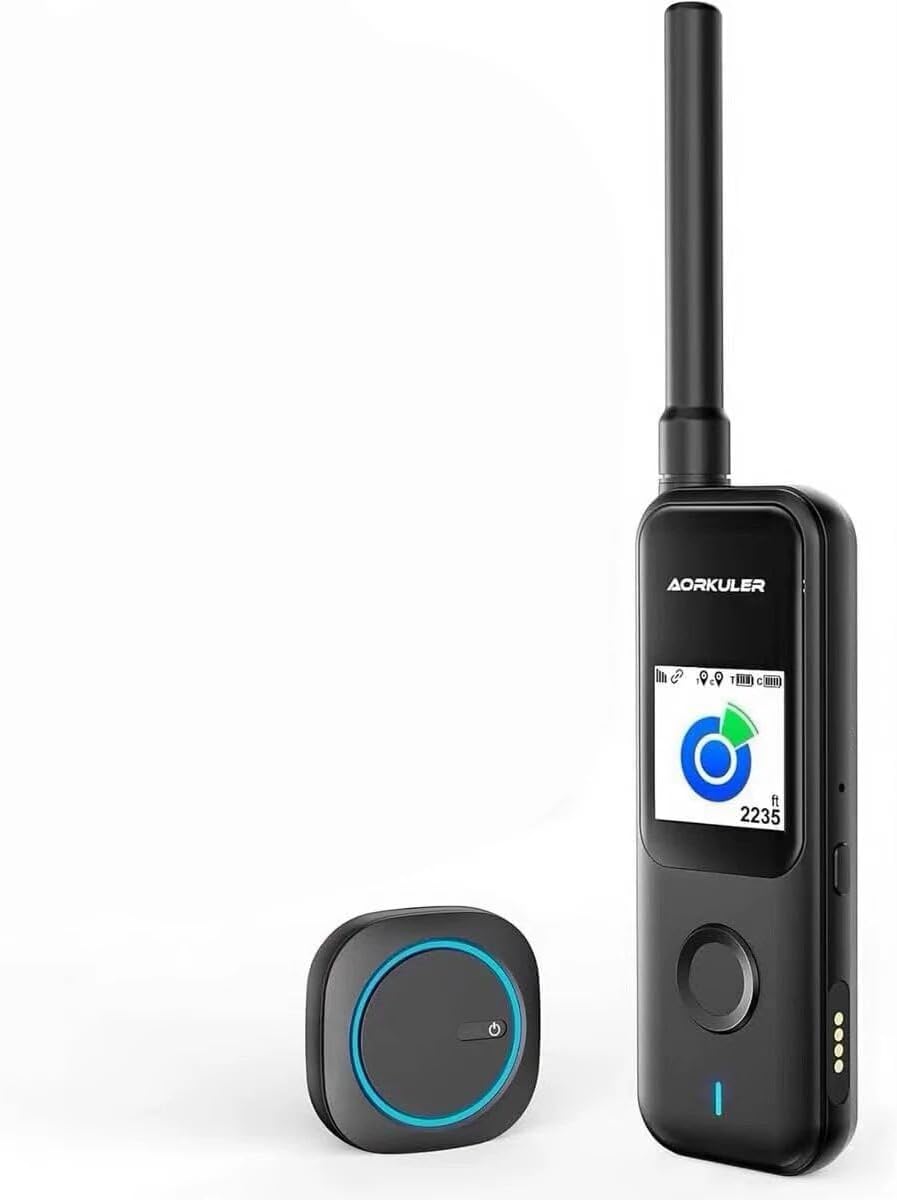
Battery life — most GPS trackers with cellular connectivity last 2-7 days per charge. Trackers without subscriptions that use radio or Bluetooth can last months or even a year.
Subscription cost — the majority of real-time GPS trackers require a monthly plan of $5-10 to cover cellular data. Factor this into the total cost of ownership. A $49 tracker with a $5/month subscription costs $109 in year one and $60 per additional year.
Waterproofing — look for IP67 or IP68 rating minimum. Pets swim, play in rain and roll in mud. A tracker that fails in wet conditions is useless when you need it most.
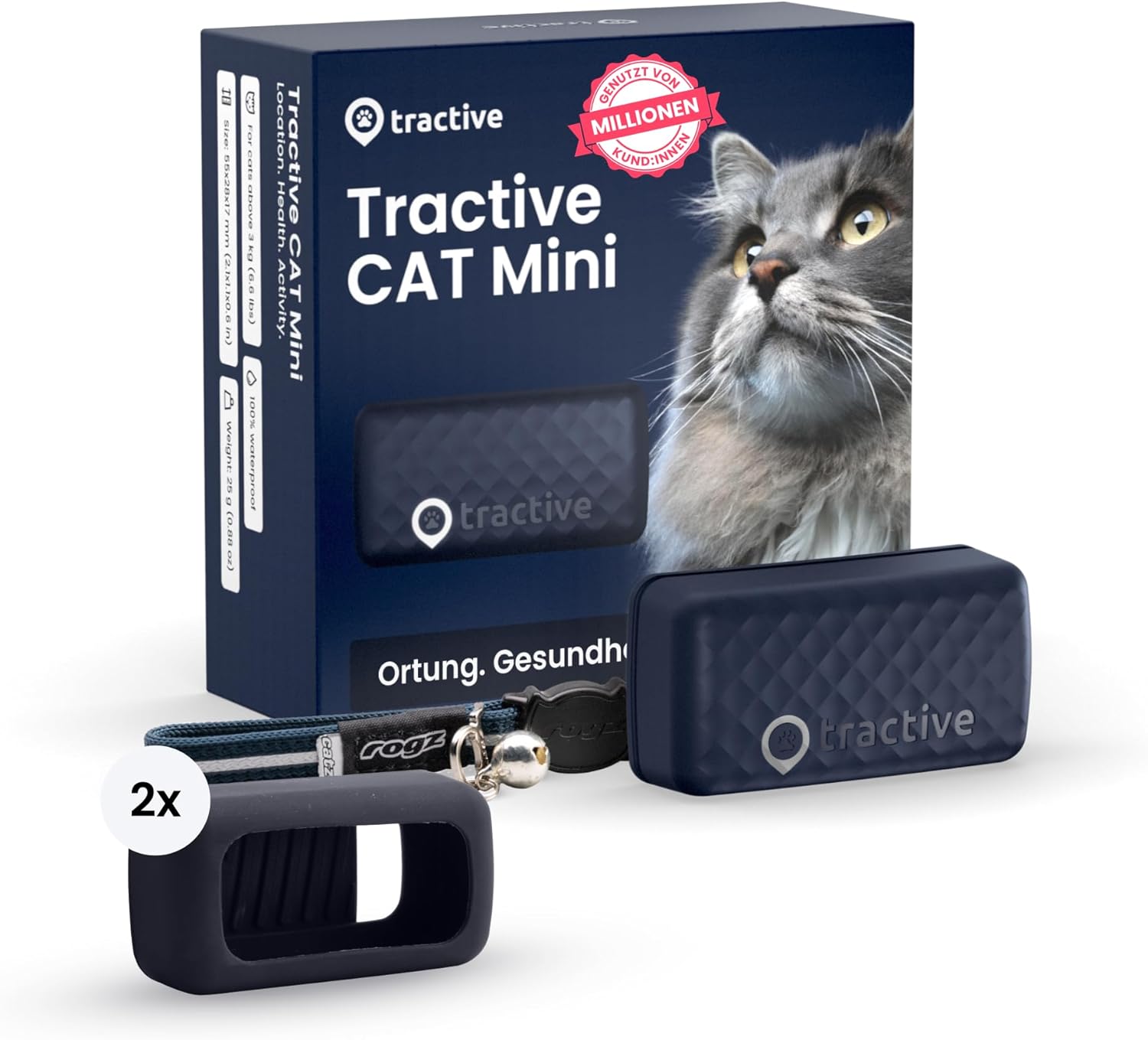
Weight and size — for cats and small dogs, weight matters. Look for trackers under 35g for cats and small breeds. Heavier devices can be uncomfortable and may be shaken off.
Virtual fences — also called geofencing, this feature sends an alert the moment your pet leaves a defined safe zone. Essential for escape-prone dogs or outdoor cats.
Subscription vs no subscription
Subscription trackers use cellular networks for unlimited real-time tracking anywhere. No-subscription trackers use radio signals, Bluetooth or crowdsourced networks — effective in some scenarios but with significant coverage limitations. For most pet owners, a low-cost subscription tracker delivers better peace of mind.
⭐ Our Top Pick
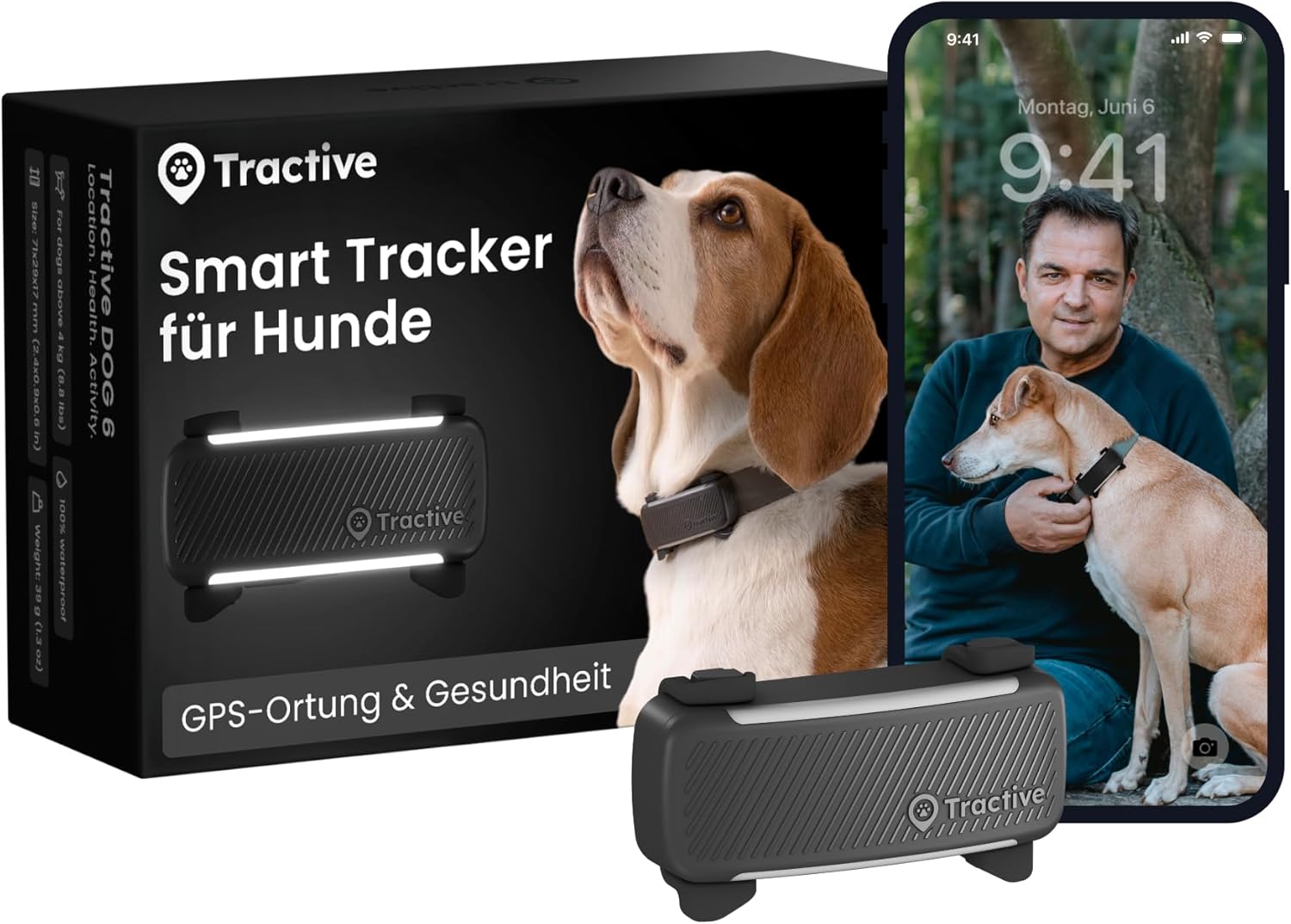
Tractive GPS DOG 4 — Real-Time Dog Tracker & Health Monitoring
The Tractive GPS DOG 4 is the world's best-selling pet GPS tracker and the most complete value option in this roundup. Real-time location updates ever...
World's best-selling pet GPS tracker
Real-time updates every 2-3 seconds
Works in 175 countries — unlimited range
~$49 + $5/month
Check price on Amazon ~$79